

Built by Brothers in Chicago
Updated: Aug 17
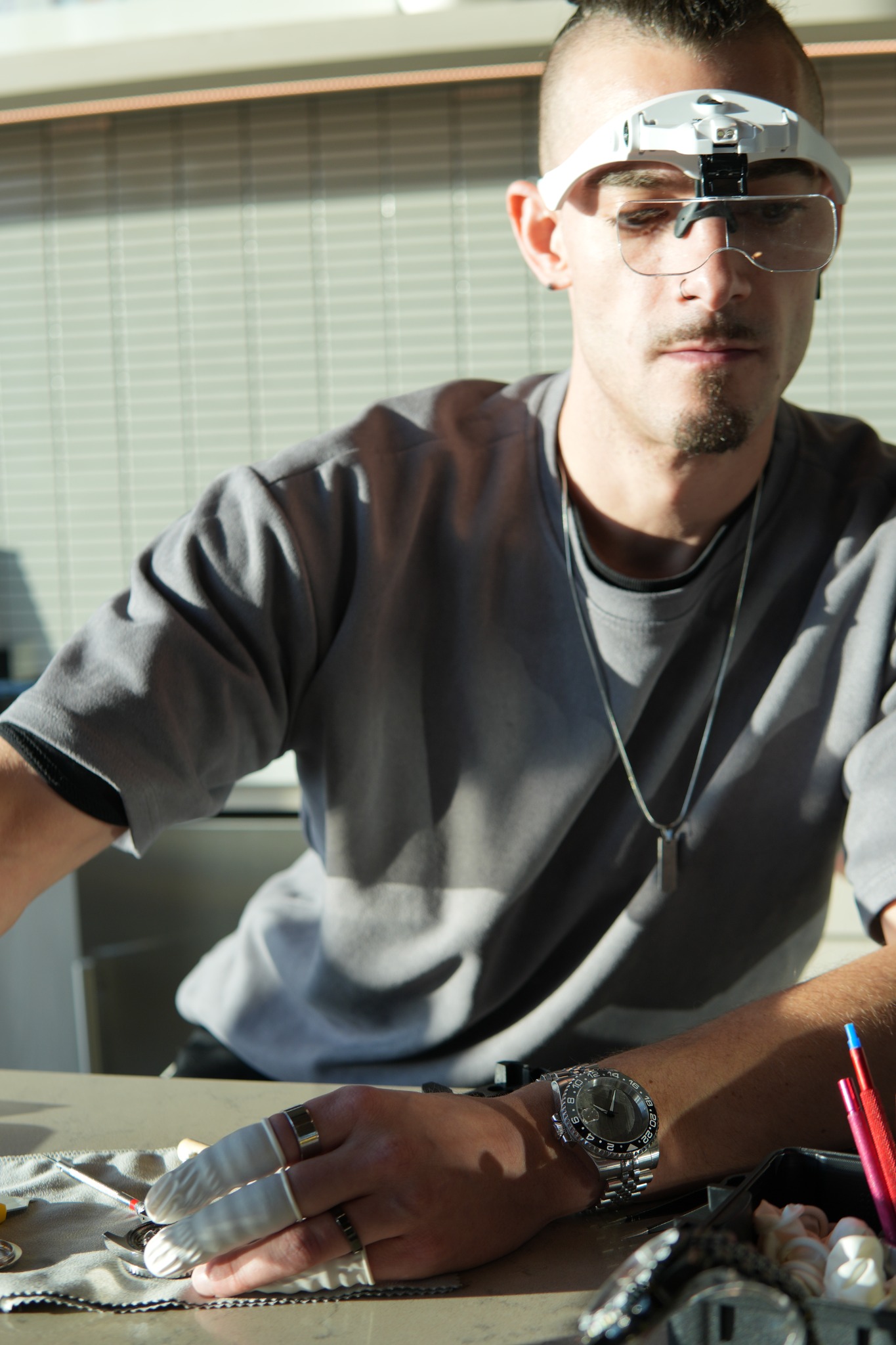
Tempo began in Chicago with my brother and me, but the idea was never simply to put another watch into the world. We wanted to make objects that felt composed—mechanical, material, and personal. Watches were the center of it, but not the whole picture. Music, design, the city, travel, notebooks, late-night conversations, and the way collectors actually live with an object all belonged in the same frame.
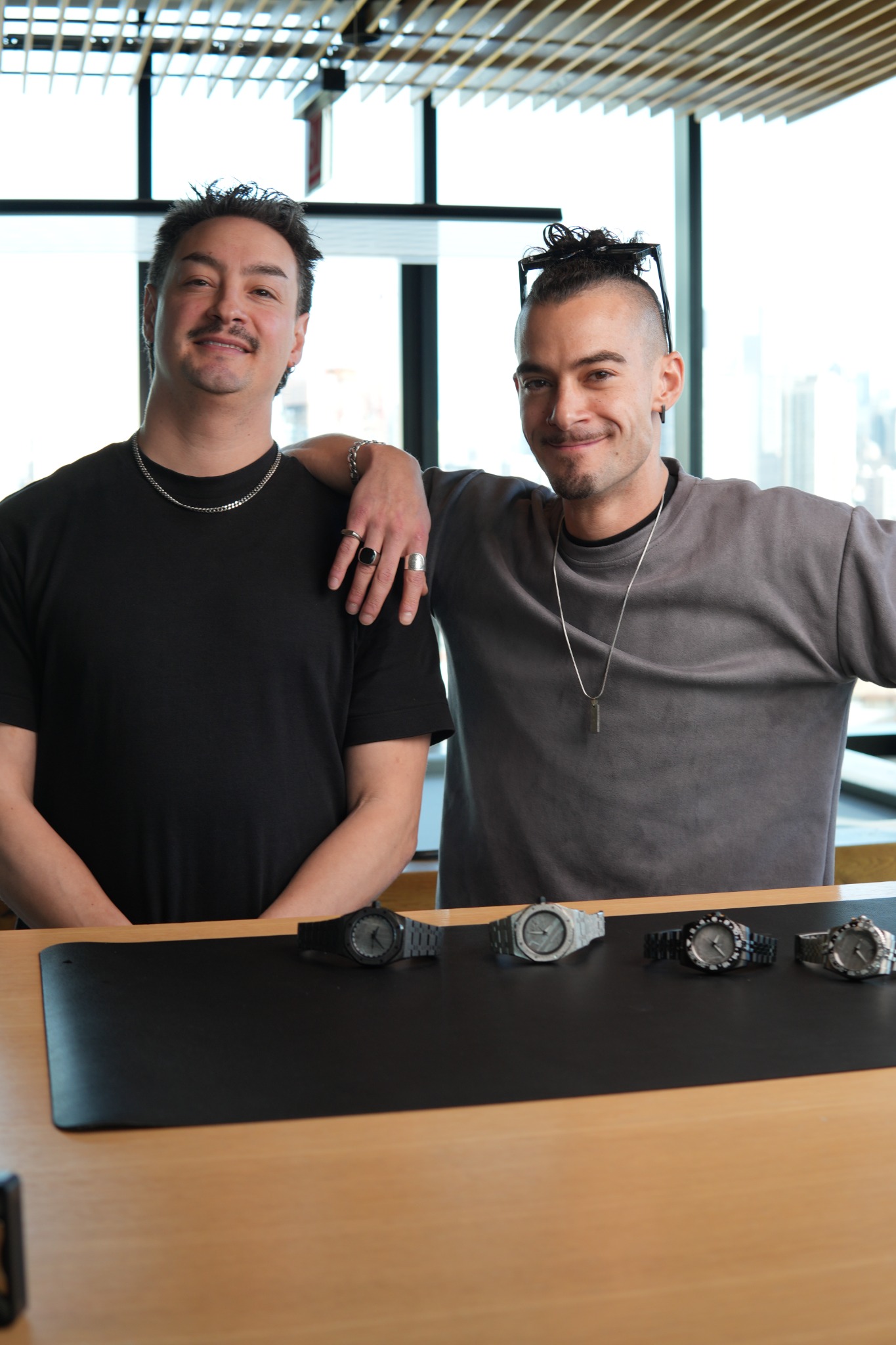
Two brothers, one point of view
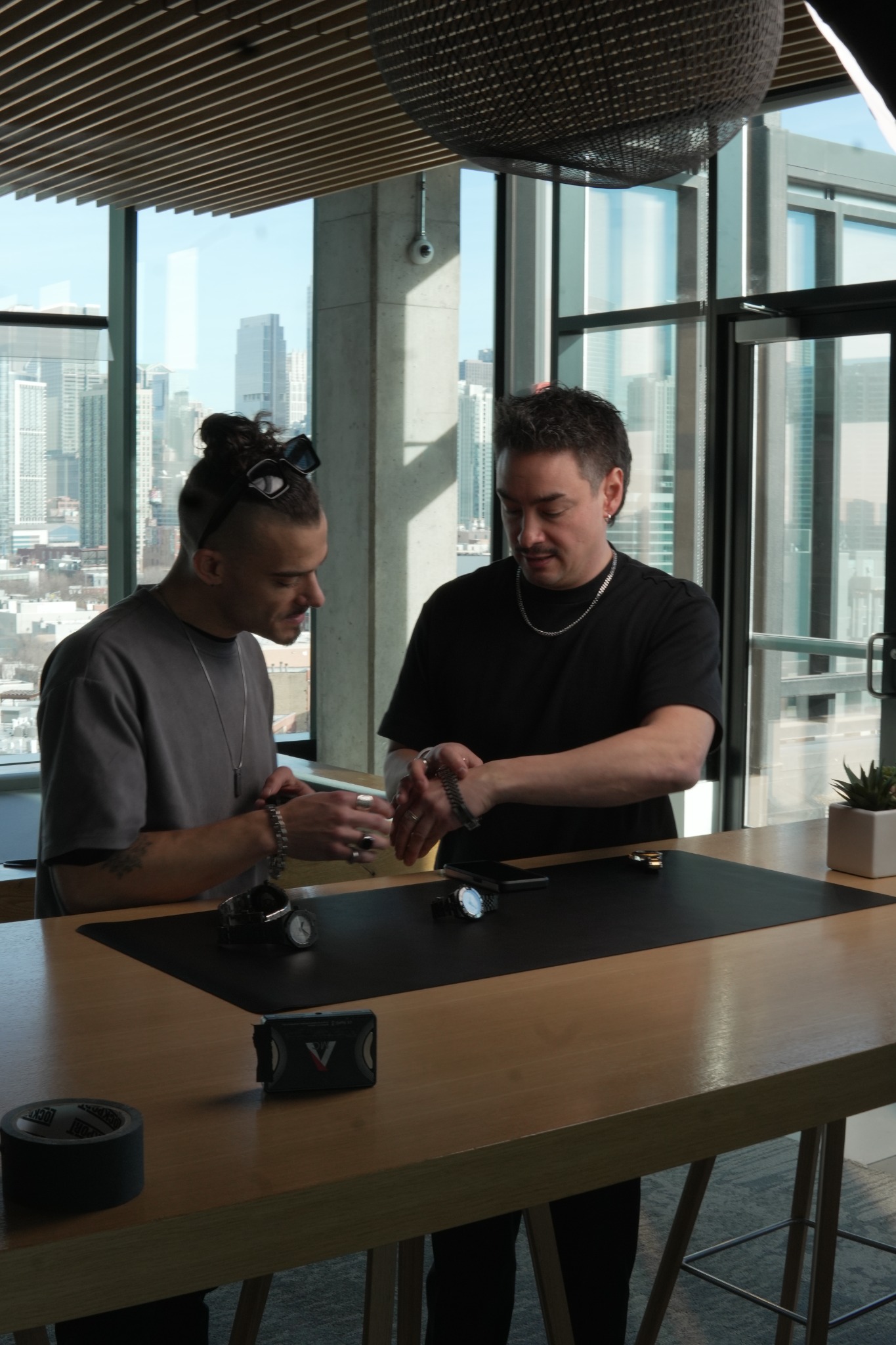
Tom and Tim Burke are brothers, but we do not approach Tempo from identical angles. That difference is useful. One side of the brand is driven by visual composition, material, proportion, and the instincts that come from music. The other is equally concerned with how the brand meets people: what a collector sees, what they feel, and whether the entire experience has the same level of intention as the watch itself. The tension between those roles keeps the work honest. If an idea only looks good but does not feel right in the hand, it is not finished. If the story is stronger than the object, it is not finished either.
That is the part of being brothers that matters most to Tempo. We have permission to challenge each other without ceremony. We can argue about a case proportion, a photograph, a line of copy, a dial, a sound, or the tone of a page until the thing feels resolved. There is no corporate distance between the decision and the person making it. The work stays close.
Chicago is not a costume
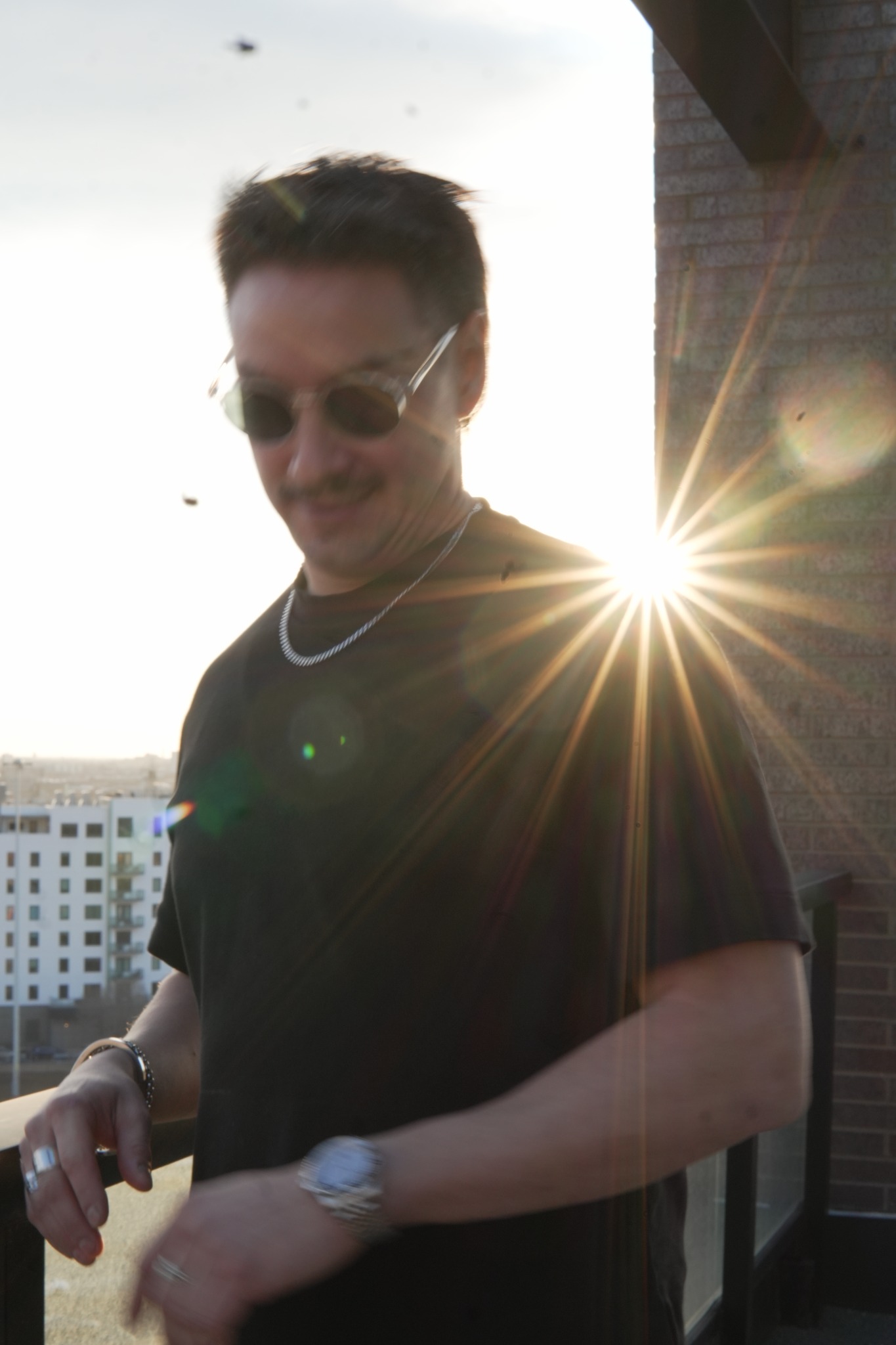
Tempo is rooted in Chicago, but we are careful with what that means. We are not interested in turning the city into a graphic device or leaning on hometown language as a substitute for substance. Chicago is simply where the brand’s cadence was formed: structure beside atmosphere, hard lines beside lake light, rooftops beside rehearsal rooms, architecture beside movement. It is the place where the watches, the music, and the conversations around them began to share a vocabulary.
That vocabulary is restrained. We like objects that reveal themselves slowly. A watch should hold up from across a room, but it should also reward the second look—the edge of a case, the behavior of a dial under changing light, the rhythm of the hands, the weight of a bracelet, the relationship between the mechanical movement underneath and the material above it.
Celestial silence meets earthly cadence.
Moonveil Momentum
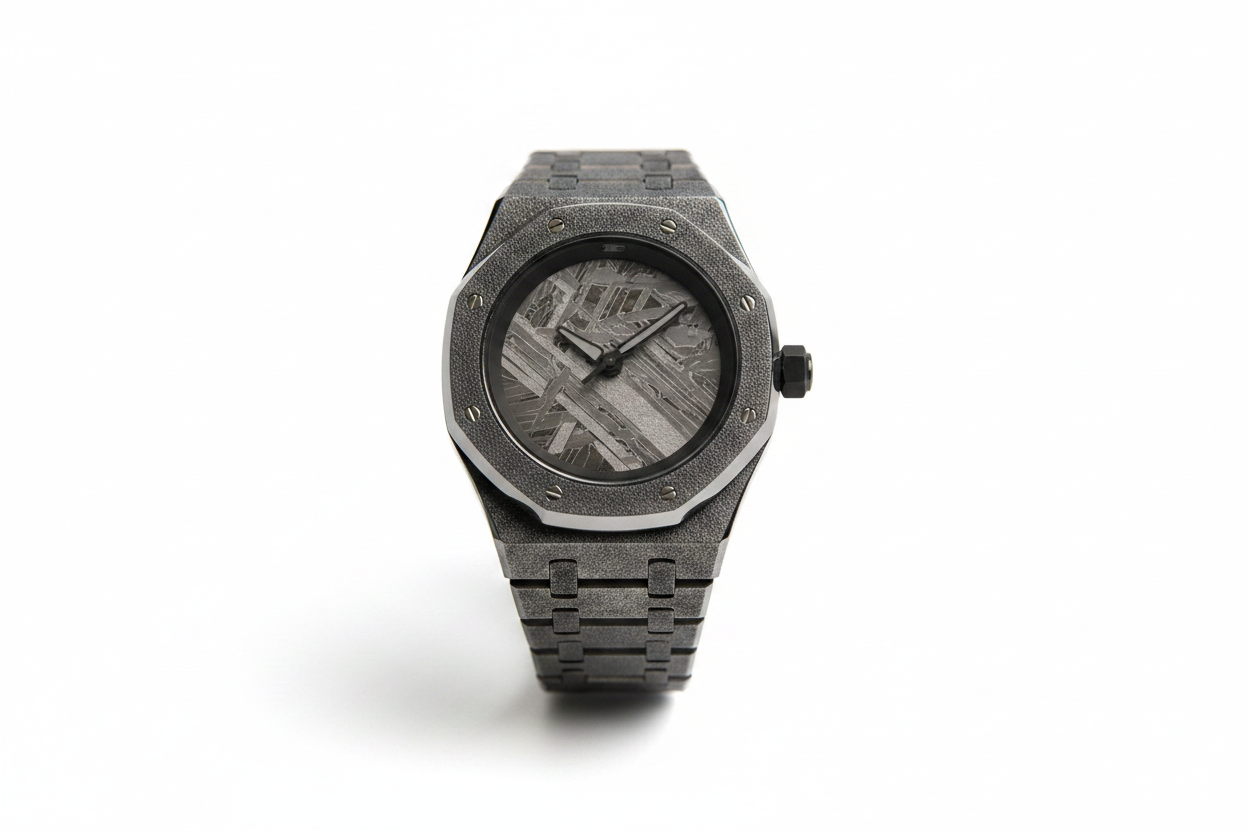
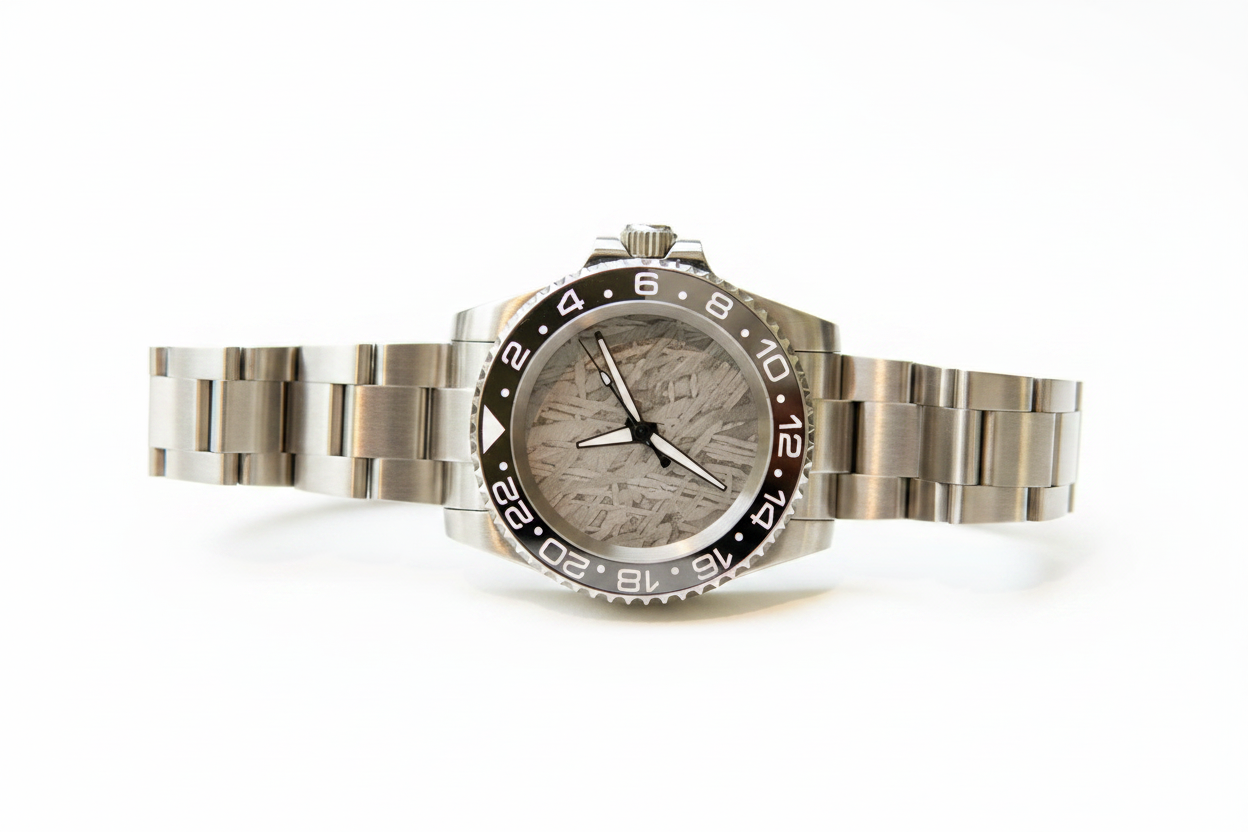
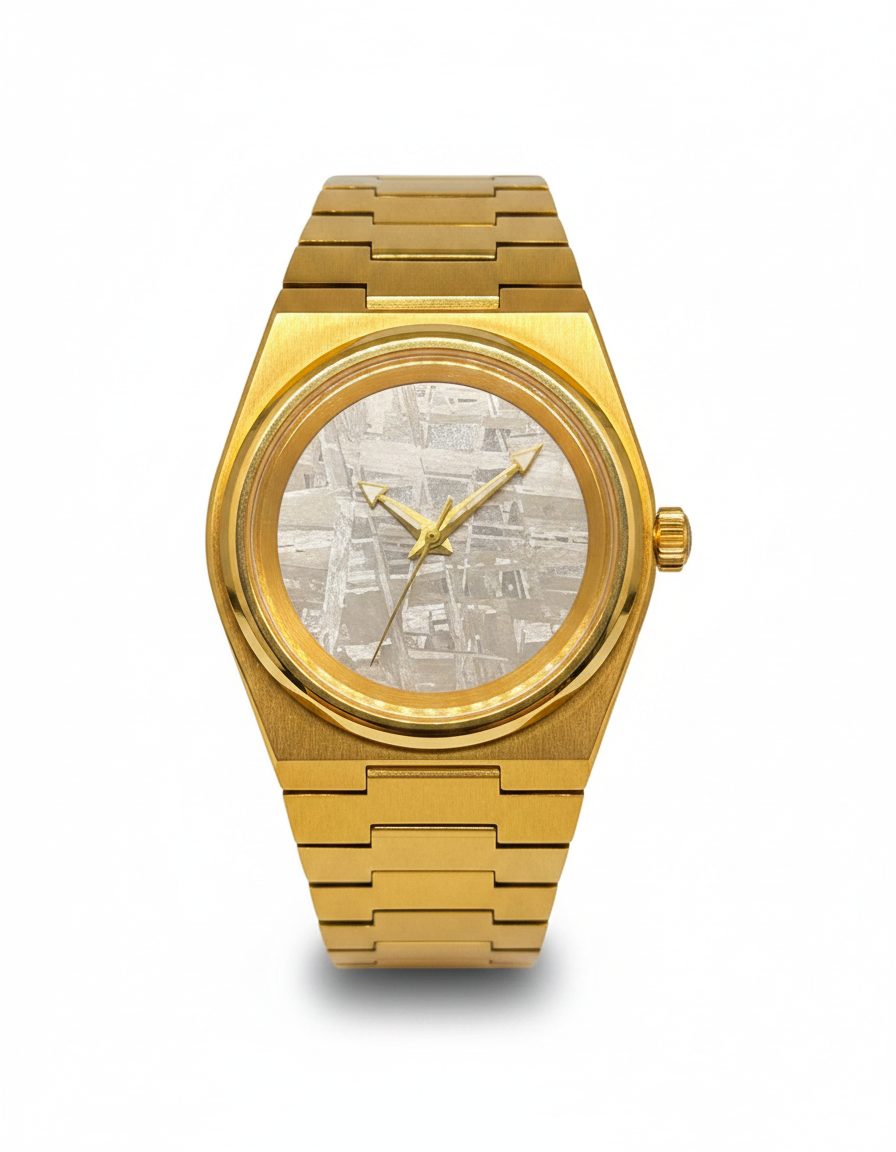
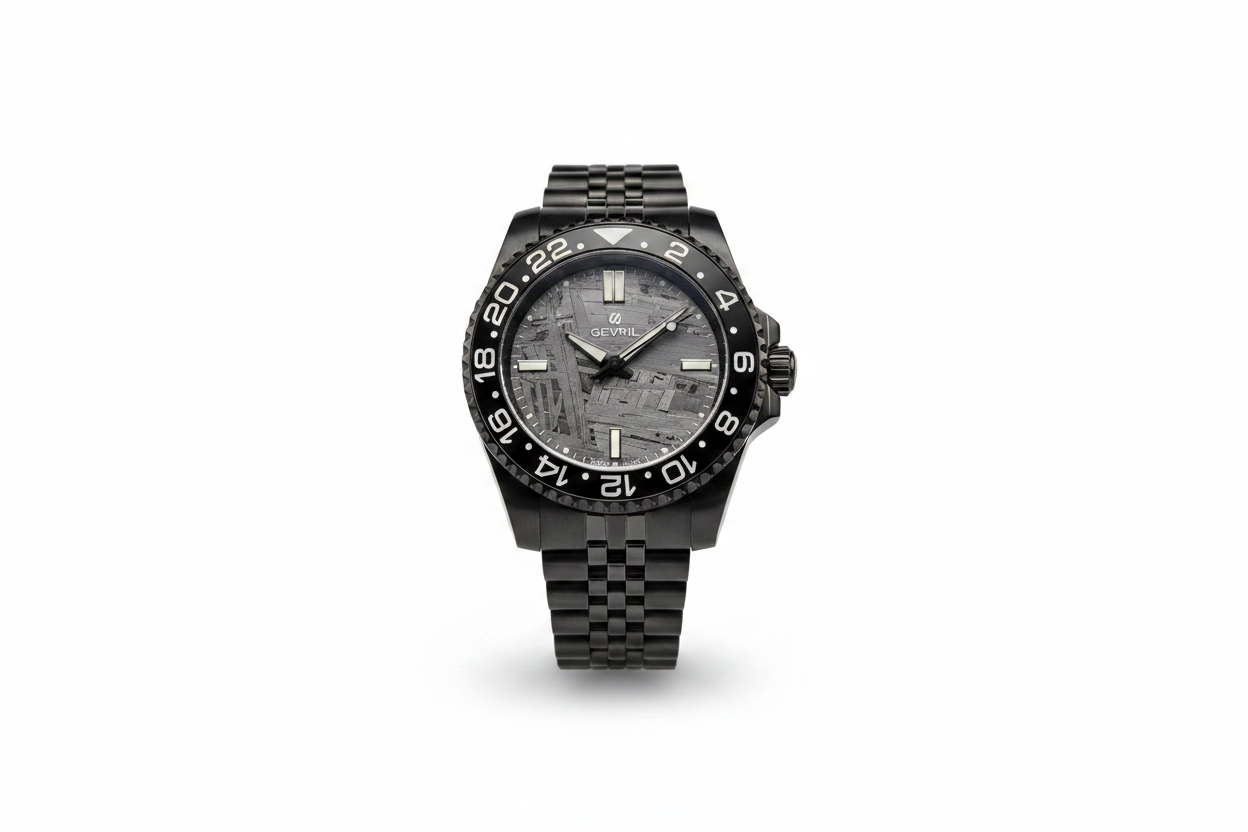
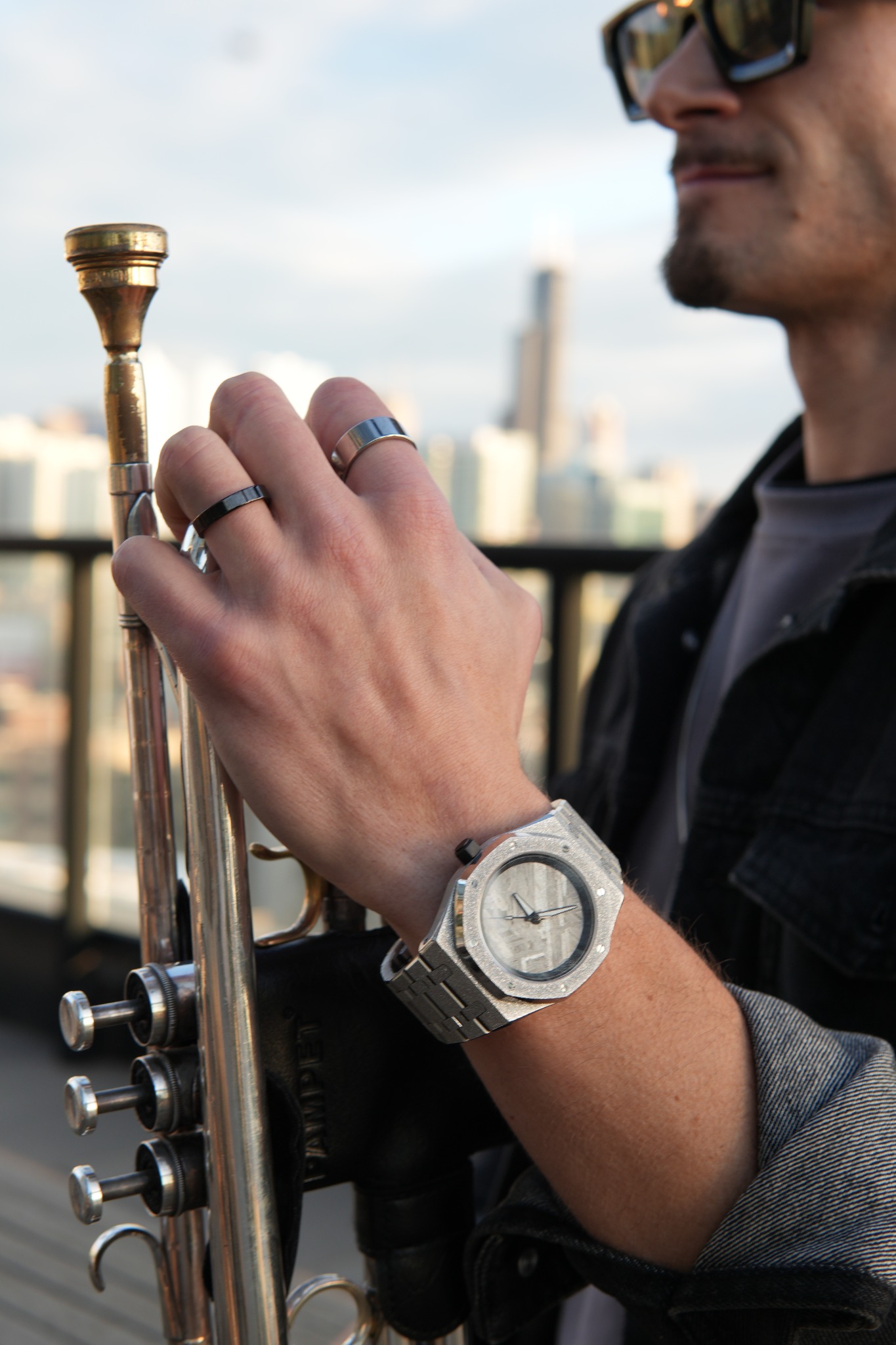
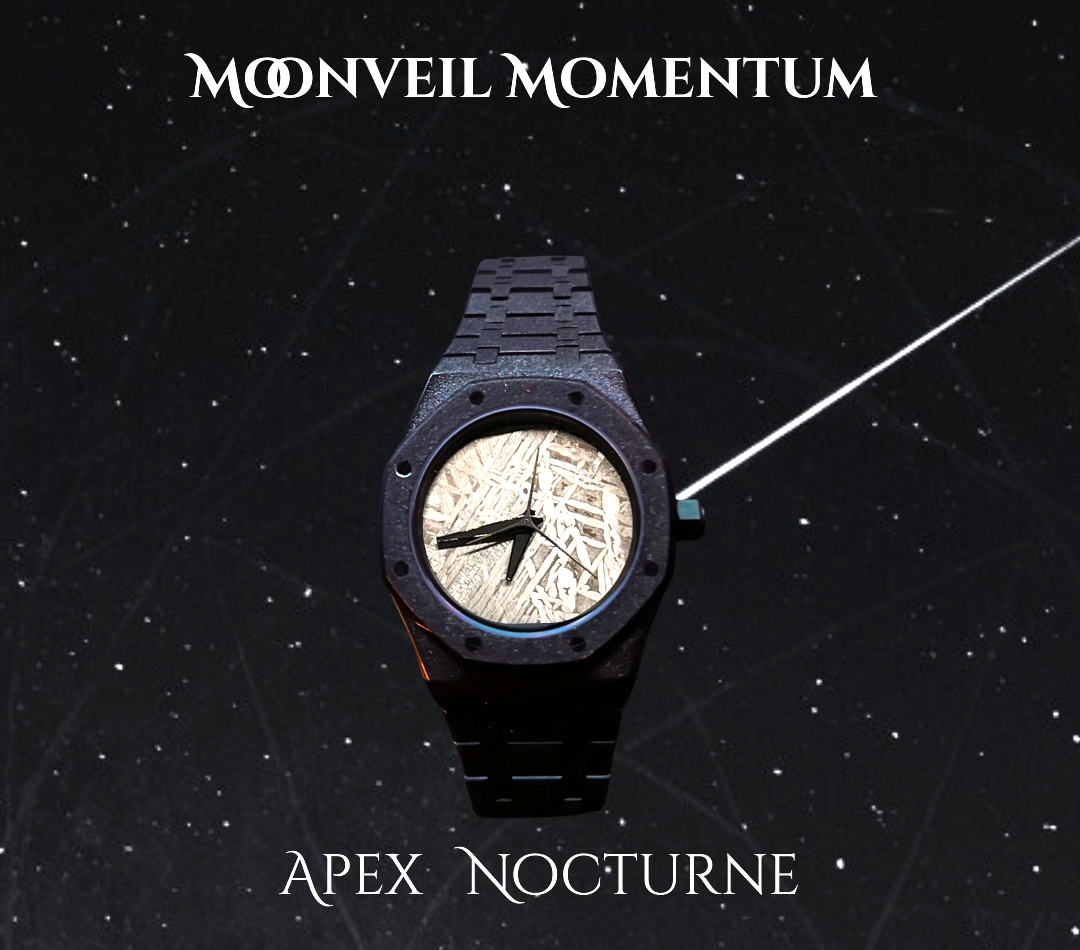
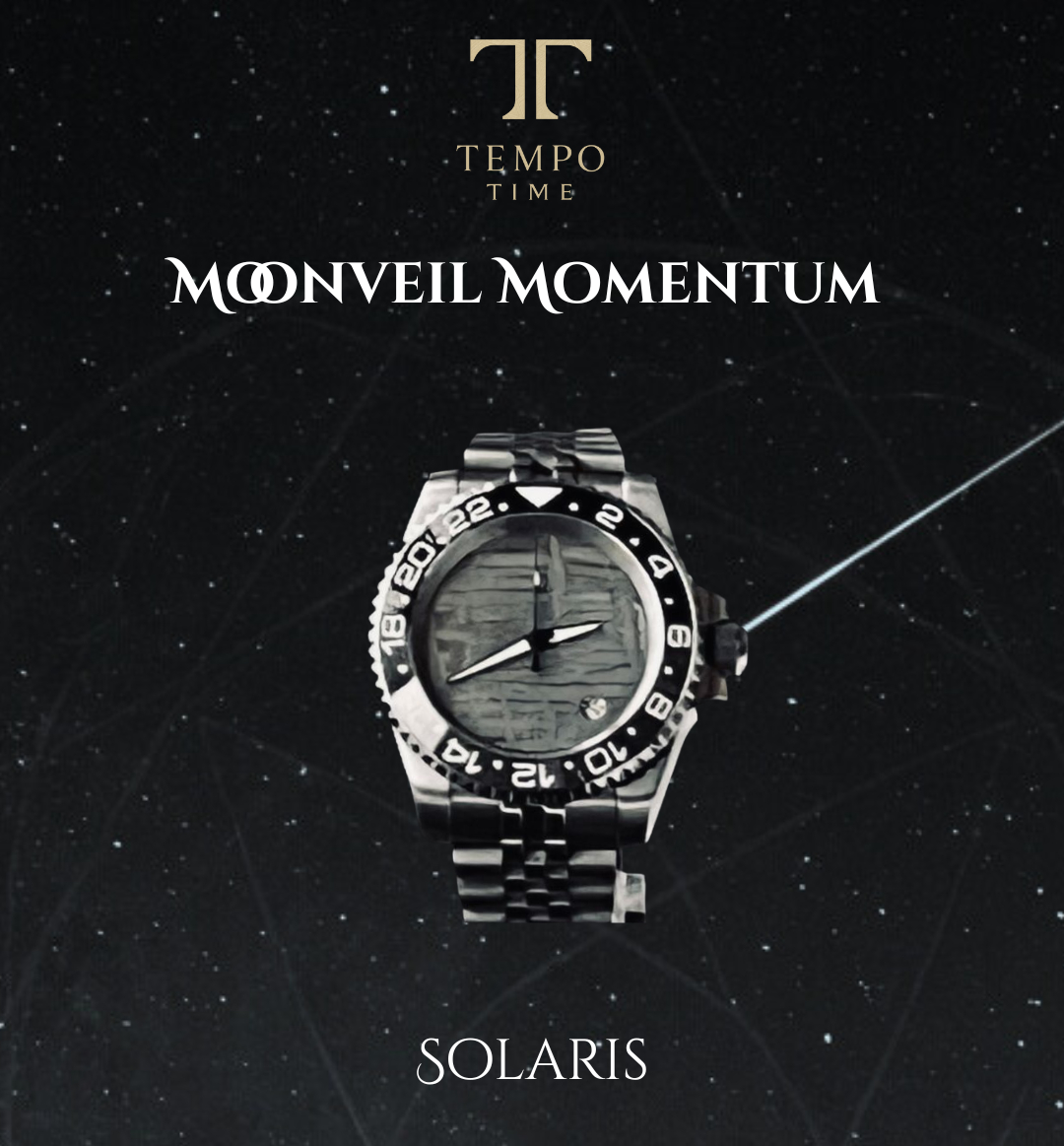
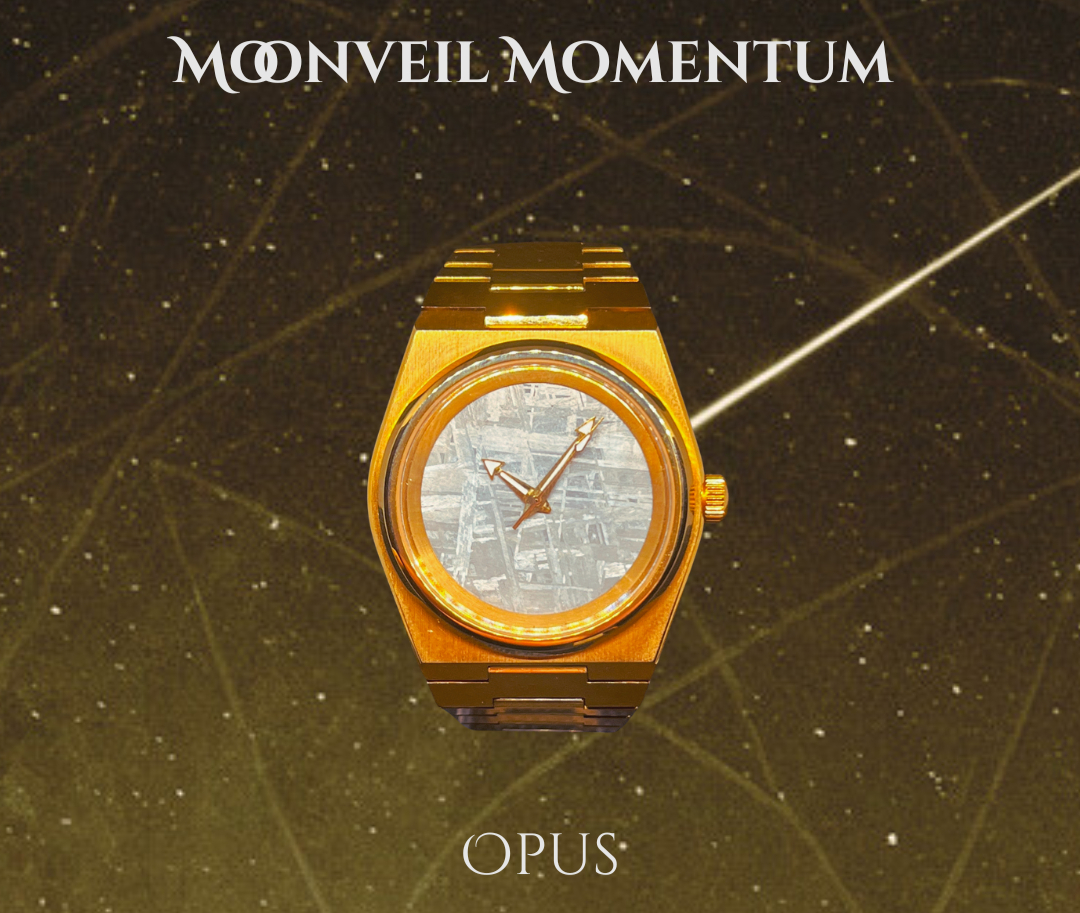
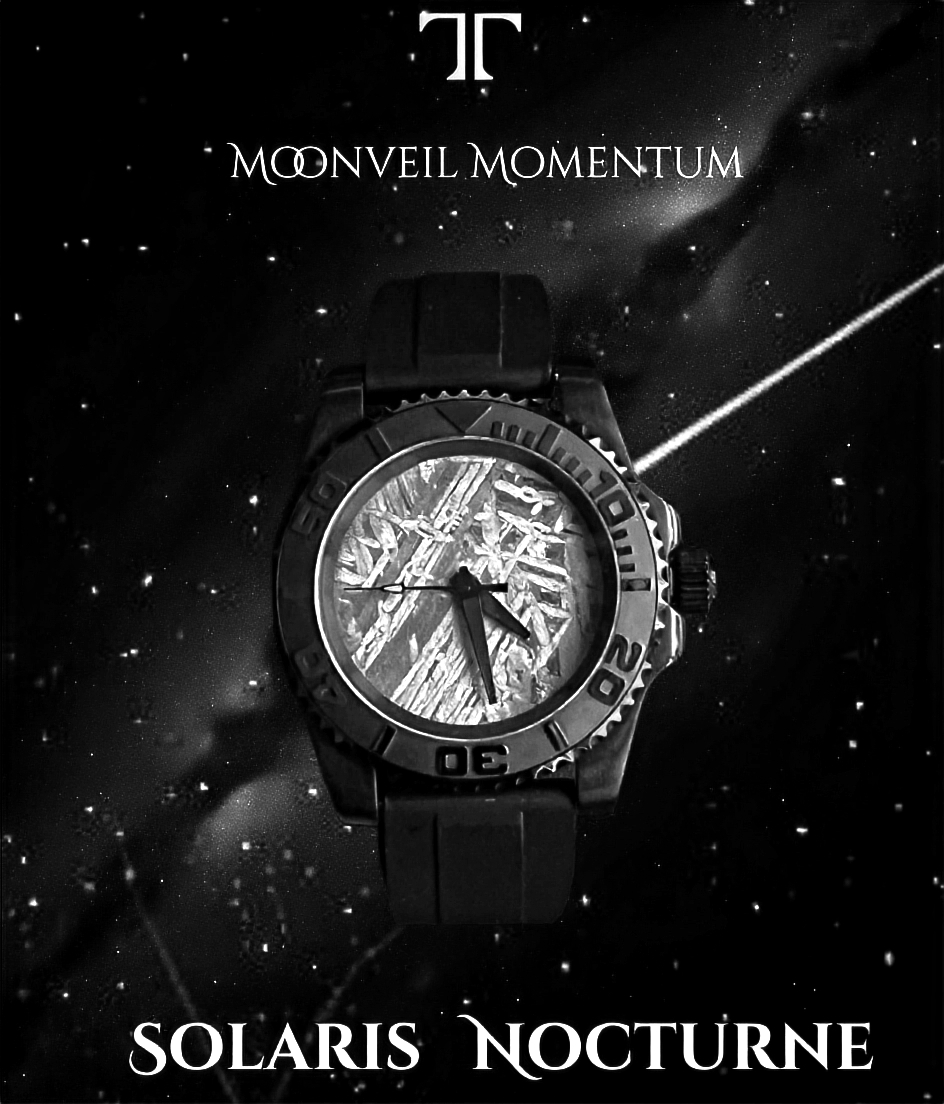
Moonveil Momentum is where that point of view became concrete. The current collection is Apex Nocturne, Solaris, Opus, and Solaris Nocturne. They are not four colorways of one idea. Each carries a different attitude, but they share the same basic discipline: automatic mechanical movement, a 40-hour power reserve, deliberate proportions, and meteorite as a central material language. On Solaris, Opus, and Solaris Nocturne, that material is verified genuine Muonionalusta meteorite. Apex Nocturne brings meteorite into a sharper 41mm, bezel-less black architecture.
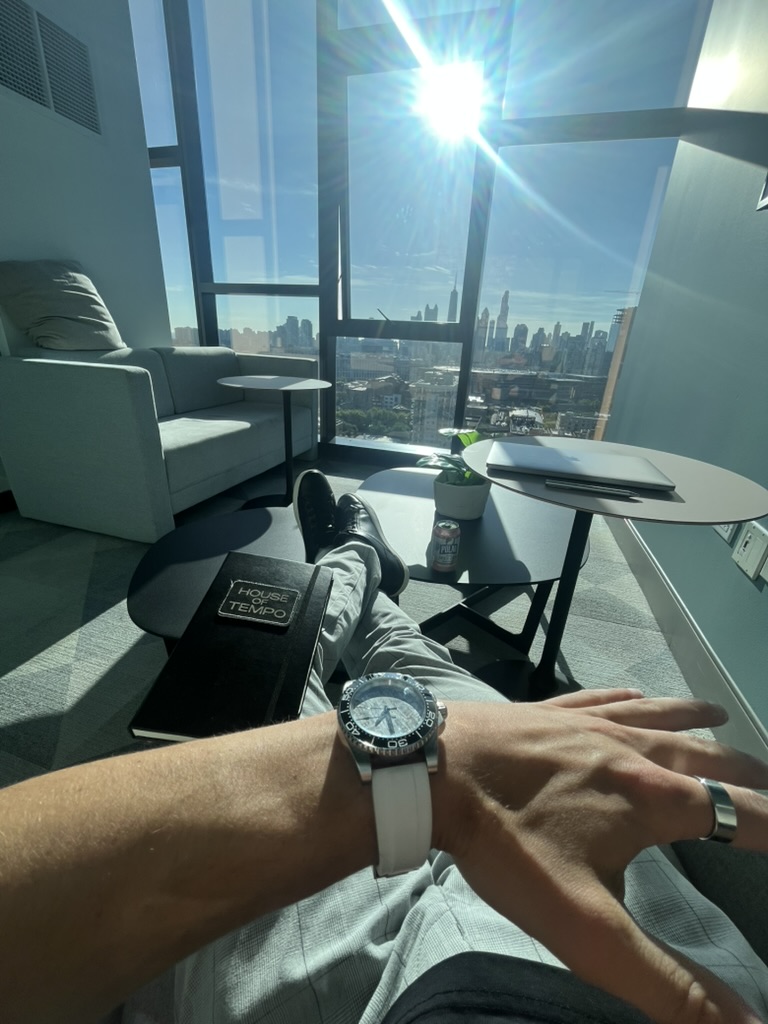
Apex Nocturne is the most architectural of the four. Solaris is cleaner and more reflective in stainless steel, with a Jubilee bracelet that changes the way the watch moves in light. Opus introduces warmth through a PVD gold case and sapphire crystal. Solaris Nocturne takes the same 40mm register into black, pairing its meteorite dial with black details and the option of rubber or metal on the wrist. The family relationship is there, but so is personality.
What we want a Tempo watch to feel like
We do not want Tempo to feel like a logo placed on a generic object. We want the watch to carry a point of view before anyone reads the name. That means restraint matters. The proportions matter. The movement matters. The way real material behaves matters. The photography matters because it should show the object honestly, not invent a luxury world around it. The Journal matters because it gives us room to explain the choices without reducing them to a product bullet point.
We are still building. That is not something we need to hide. The useful part of an independent brand is that collectors can stay close to the evolution of the work. They can see where the language sharpens, where the collection grows, where we change our minds, and what survives every revision. For us, the thing that survives is simple: the watch has to feel intentional. It has to feel mechanical. It has to feel like Tempo.
Comments